Theme Spotlight: Lighting Techniques for Photos in the Wild

Chosen theme: Lighting Techniques for Photos in the Wild. Step into the field with confidence as we explore practical, soulful lighting strategies for landscapes, wildlife, and adventure portraits. Enjoy stories, field-tested tips, and prompts to try on your next outing. Share your experiences in the comments and subscribe for new outdoor lighting ideas every week.

Reading Natural Light in Wild Landscapes

When the sun grazes the horizon, contrast softens and colors warm, flattering faces and revealing gentle contours in rock and grass. I once photographed a windswept ridge where pale granite blushed pink, and a hiker’s jacket glowed like a coal ember. Try shooting slightly into the light and use your hand as a quick flag to control flare.

Reading Natural Light in Wild Landscapes

After sunset, the sky acts like a colossal, even softbox, smoothing skin and compressing dynamic range. Lakes and snowfields turn into luminous reflectors, lifting shadows without harsh highlights. Slow your shutter, steady your stance, and let cool tones carry the scene’s quiet. Share a blue hour frame in the comments and tell us how you balanced exposure.
Weather as Your Free Lighting Crew

An overcast sky spreads light evenly, reducing specular highlights and soothing skin tones. In forests, greens deepen and bark textures pop without glare. I love placing subjects near a clearing so the brighter patch becomes a gentle key. Keep a microfiber cloth handy, shoot slightly warmer white balance, and invite readers to share their favorite cloudy-day portraits.

Weather as Your Free Lighting Crew

Mist creates visible beams when backlit, layering depth like stage lighting. Position yourself so the sun peeks through trees and paints bright shafts across darker trunks. Meter carefully to avoid blowing highlights; slight underexposure preserves atmosphere. I once waited fifteen minutes on a boardwalk as fog thickened, and the marsh transformed into a cathedral of light.

Ultralight Tools and DIY Lighting Hacks

A folded five-in-one reflector weighs little and solves many problems: fill shadowy eyes, soften direct sun, or block stray flare. Lacking gear, use a white map, a sleeping pad, or even snow to bounce light. I once taped a page from my field notebook to a trekking pole to lift a climber’s face without breaking stride.

Ultralight Tools and DIY Lighting Hacks

A headlamp with low-output modes and colored gels lets you kiss edges with color or guide attention gently. Diffuse with a buff or translucent snack bag for softer spread. Keep intensity minimal to protect night vision and wildlife. Share your favorite gel combo, and tell us how you balanced it with starlight or moonlight in long exposures.

Directional Light and Composition

Backlight for Drama and Silhouettes

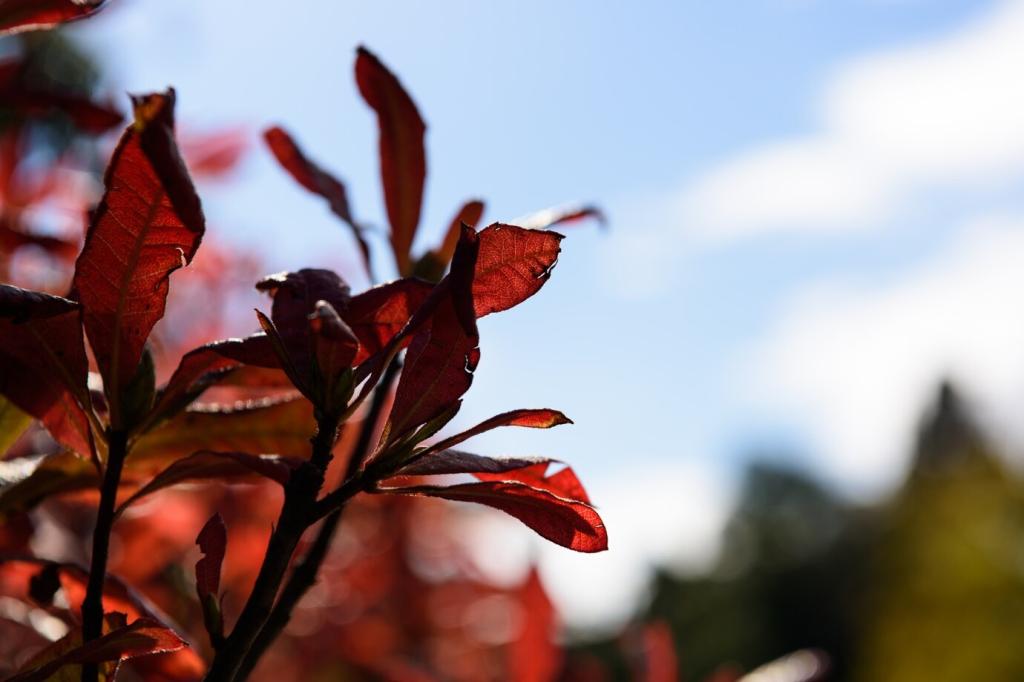
Shoot into the sun to rim a hiker’s jacket, define hair, and separate subject from busy backgrounds. Stop down slightly to starburst the sun, or meter for a crisp silhouette against glowing sky. A small flag or lens hood tames veiling flare. Post your favorite backlit frame and how you controlled ghosting without losing sparkle.

Sidelight to Reveal Texture and Form

Low-angle sidelight rakes across ridgelines, dune ripples, and tree bark, exaggerating relief. Position yourself ninety degrees to the sun so shadows carve depth without swallowing detail. In portraits, rotate your subject until cheekbones catch just enough glow. Try it at dawn on sandstone and share the before-and-after impact with the community.

Negative Fill with Natural Flags

Use a cliff face, dense foliage, or a jacket held off-frame to absorb stray light and deepen shadow contrast. Negative fill adds sculptural shape when ambient light is too flat. I once used a backpack to block sky reflection and instantly regained cheek definition. Experiment with distance to tune shadow density and report your results.

Protect Nocturnal Wildlife and Sensitive Habitats

Avoid bright flash on nocturnal animals and nesting sites; stress can disrupt feeding and patterns. Use red light sparingly, keep distance, and prioritize long lenses over illumination. If behavior changes, back off immediately. Share this ethic in your captions and inspire others to photograph responsibly under the stars.

Leave No Trace with Artificial Light

Prevent light pollution by shielding beams, lowering brightness, and pointing light only where needed. Keep quiet, avoid crowds with intrusive setups, and respect stargazing groups. Pack out batteries and never mark trails with glow sticks. Tell us how you balance creativity with stewardship so new photographers learn the same care.

Safety First: Weather, Terrain, and Batteries

Cold drains batteries, wind topples stands, and wet gear fails at the worst moment. Carry spares close to your body, use sandbags or rocks for stability, and plan exit routes. An extra headlamp is a lifesaver when compositions run long. Drop your top safety habit in the comments and help others get home safe.

Night Photography: Stars, Moon, and Motion

Milky Way Planning and Ambient Balance

Scout dark-sky maps, check moon phases, and arrive early to compose before darkness. Expose for sky detail while preserving land texture with subtle, distant bounce or faint, gelled headlamp. Keep lighting minimal to honor the night. Post your favorite exposure triangle settings and why they worked at your location.

Moonlight as a Silver Key

Quarter and half moons cast beautifully soft shadows that shape mountains and forests. Treat the moon like a giant key light; meter for highlights and let the landscape breathe. Add a tiny warm accent on a tent for contrast. Show us how moon phase changed your shot and what white balance felt most natural.

Gentle Light Painting Without Overpowering

Use low-output, wide diffusion, and slow, continuous strokes to avoid hotspots. Paint from the side to emphasize form and stop the moment before it looks staged. Practice on uninhabited scenes and keep wildlife undisturbed. Share a before-and-after sequence demonstrating restraint and discuss how you preserved the night’s character.

Storytelling With Light on the Trail

Building a Narrative From Dusk to Dawn

Start with a blue hour establishing shot, segue into golden hour portraits, then show midday grit with contrasty textures. Conclude at camp with warm, intimate light that invites connection. Sequence your frames so light shifts mirror the journey’s emotional arc. Invite readers to share a five-frame story using these transitions.

Texture, Contrast, and Emotional Cues

Crisp sidelight can feel adventurous and tactile, while diffuse cloud light reads contemplative and calm. Use shadow density to suggest uncertainty or resolve. I once softened a tense scene with a thin diffuser and watched the mood change instantly. Tell us how you use light to guide feeling rather than just exposure.

A Ridge-Camp Anecdote

We reached camp as wind ripped across the spine of the range. Golden light burst through a notch, rimmed a tent, and set frost aglow. With no gear beyond a scarf reflector, we lifted faces just enough to keep the moment honest. Share your minimalist save—a time when light and improvisation made the photograph.
Viptejiashop-uk
Privacy Overview

This website uses cookies so that we can provide you with the best user experience possible. Cookie information is stored in your browser and performs functions such as recognising you when you return to our website and helping our team to understand which sections of the website you find most interesting and useful.